Disclaimer: This post contains affiliate links. As an Amazon Associate, I earn from qualifying purchases at no extra cost to you. [Learn More]
Every miniature painter remembers where they painted their first models.
For some, it was the kitchen table after everyone else had gone to bed. Others claimed a corner of the garage, a desk in a spare bedroom, or a folding table that had to be packed away at the end of every session. Those first workspaces were rarely perfect, but they served an important purpose: they gave us somewhere to learn.
As the years pass, though, our needs begin to change. The handful of paints grows into a collection. A single brush becomes several favorites. New techniques introduce better lighting, magnification, wet palettes, and more specialized tools. Before long, the workspace has become just as much a part of the hobby as the miniatures themselves.
A thoughtfully designed painting space doesn’t make anyone a better painter overnight, but, behind the scenes, it supports every hour spent at the hobby desk. It reduces distractions, keeps important tools within easy reach, and removes many of the small frustrations that interrupt creative momentum. Those improvements may seem minor in isolation, yet together they shape the experience of painting far more than most people realize.
When I think about the ideal hobby space, I don’t imagine a room filled with expensive equipment. I imagine a workspace that invites me to sit down, pick up a brush, and begin painting without hesitation. Every improvement I make is measured against that single question: Will this help me spend more time painting and less time fighting my workspace?
If you’re building your own hobby area, here are the areas I would focus on first.
Begin with Comfort
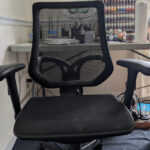
Long painting sessions demand more from your body than many people expect. Leaning forward for hours while focusing on tiny details places stress on your back, shoulders, neck, and wrists. A comfortable chair and a desk at the proper height won’t improve your blending or edge highlights, but they’ll make it much easier to enjoy those long evenings when inspiration strikes.
Your workspace should feel like a place you want to return to, not somewhere you endure.
If you’re evaluating your current setup, these guides can help you build a comfortable foundation.
Continue Reading:
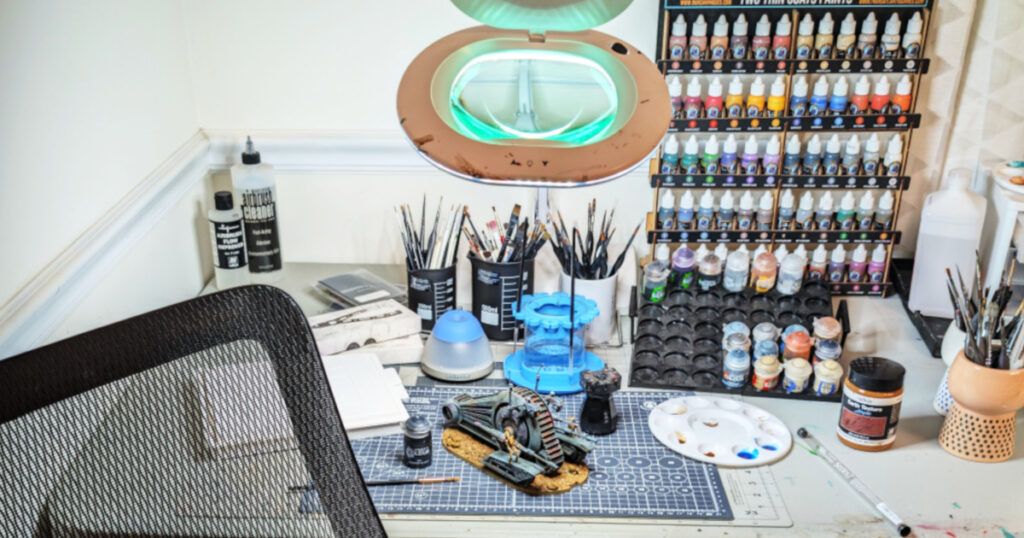
Choosing the Right Desk or Table for Miniature Painting
Discover what makes a great painting surface, from budget-friendly folding tables to dedicated hobby workstations, and learn how to choose a setup that fits both your space and your workflow.
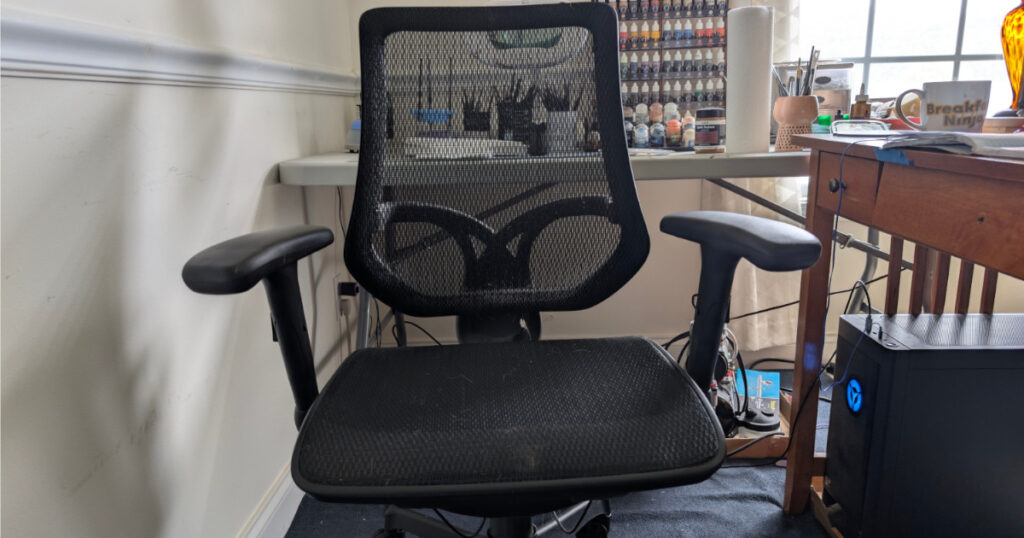
Choosing the Best Chair for Miniature Painting
A supportive chair helps reduce fatigue and lets you focus on painting instead of aching shoulders or a sore back. Discover what to look for before your next upgrade.
Make Every Detail Easy to See
Miniature painting is a hobby measured in millimeters. Fine details disappear quickly under poor lighting, and eye strain has a way of ending painting sessions earlier than planned.
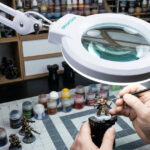
Good lighting reveals colors accurately and helps you see subtle transitions between highlights and shadows. Magnification becomes increasingly valuable when working on faces, freehand details, or delicate edge highlights. Together they create an environment where your eyes can focus on painting instead of struggling to interpret what they’re looking at.
Many painters assume their eyesight has worsened when the real culprit is inadequate lighting.
If you’ve never upgraded either one, you’ll probably be surprised how dramatic the improvement feels.
Continue Reading:
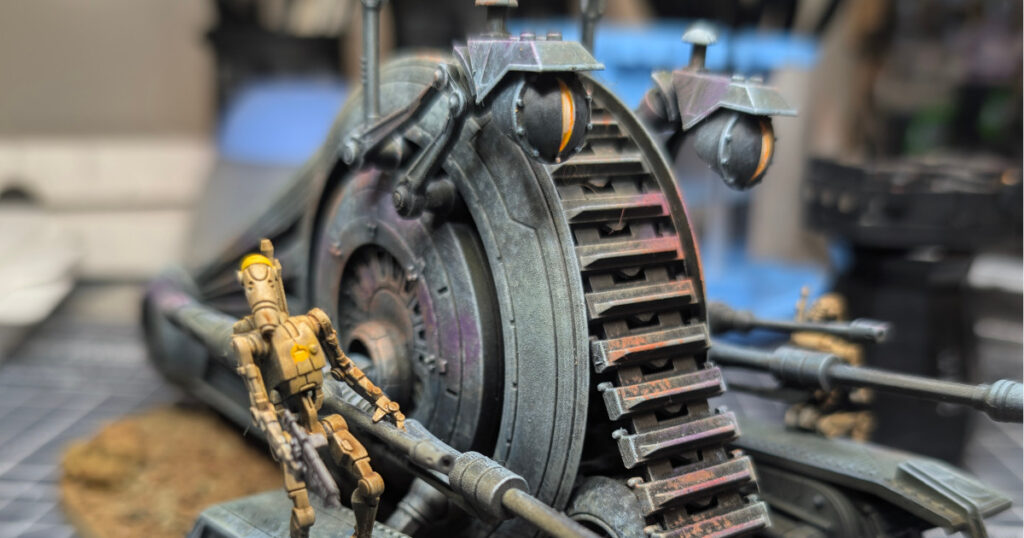
Choosing the Best Lighting for Miniature Painting
Good lighting makes every color easier to see and every brushstroke more accurate. Explore lighting options that help you paint with confidence.
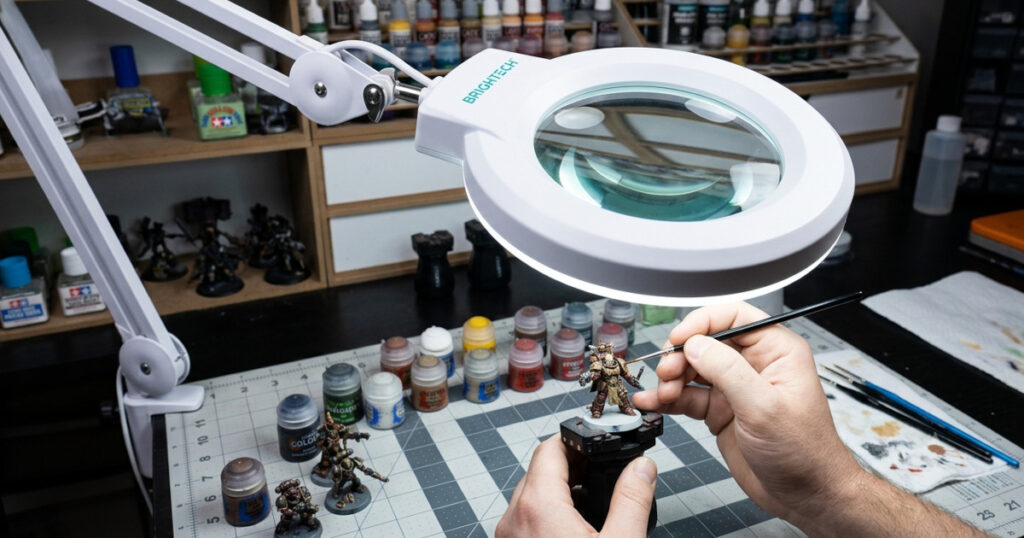
Choosing the Best Magnifier for Miniature Painting
Tiny details become much easier to paint when you can actually see them. Learn whether a magnifier belongs in your hobby space.
Design a Workflow That Reduces Friction
One of the biggest changes in my own hobby room came from paying attention to interruptions.
How often was I getting up to look for a brush?
Where did I leave that bottle of paint?
Why was I spending ten minutes setting up before I could paint for thirty?
Those tiny interruptions add up.
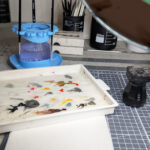
Today I keep only the paints, brushes, and materials for my current project on the desk while everything else has a permanent home nearby. Paint organization, brush storage, and a dedicated workflow station have made my hobby sessions noticeably more enjoyable because everything I need is already waiting for me.
Removing friction may not sound exciting, but it has probably improved my consistency more than buying any single tool.
Continue Reading:
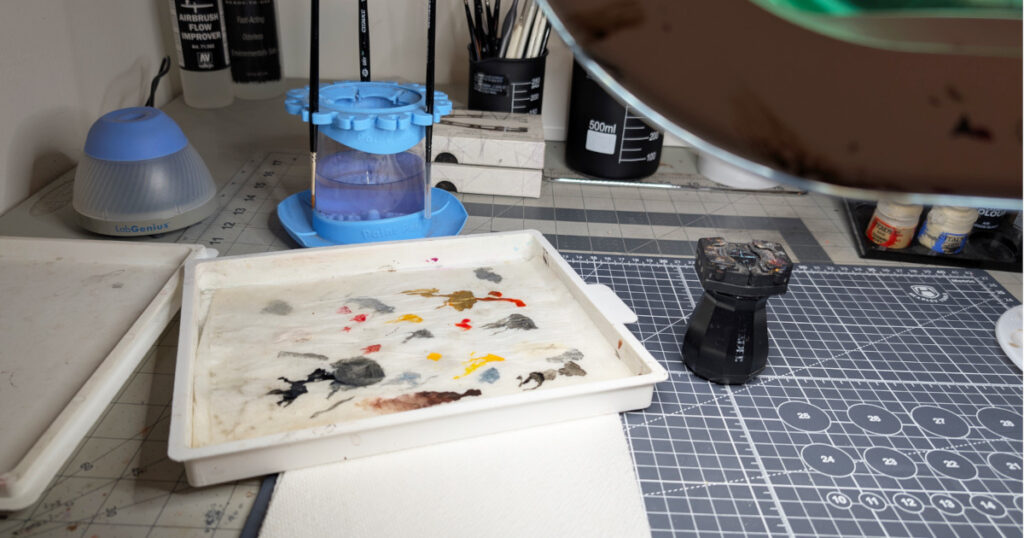
Building an Efficient Painting Workflow Station
The fewer interruptions you have, the more enjoyable painting becomes. See how a well-organized workflow station keeps every tool exactly where you need it.
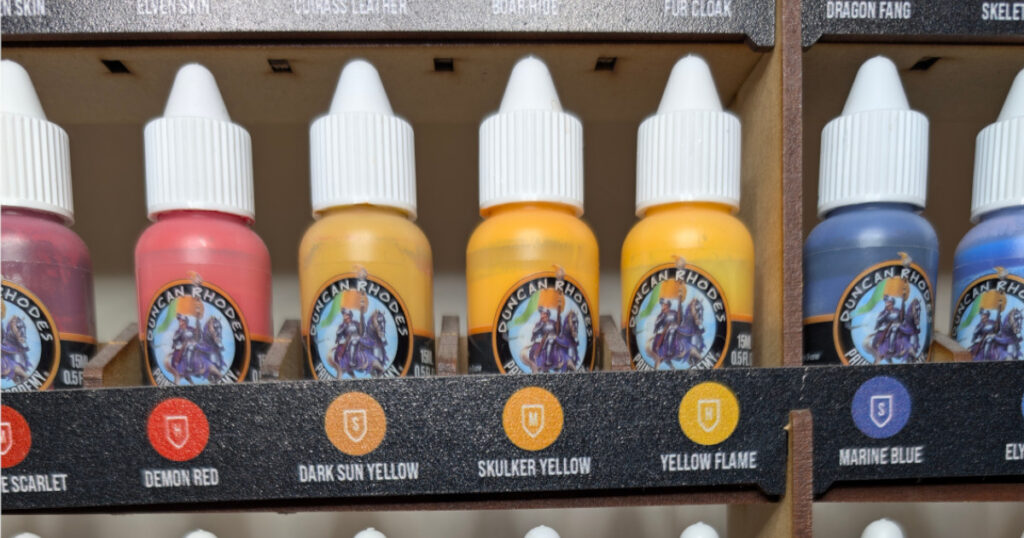
How to Organize Miniature Paints
A visible, organized paint collection saves time, prevents duplicate purchases, and encourages new color combinations every time you sit down to paint.
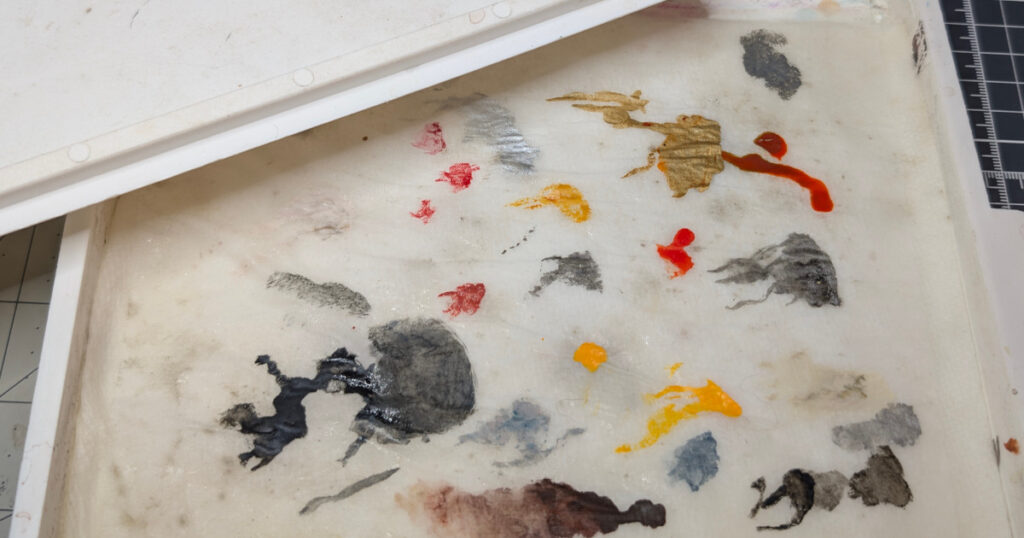
Wet Palettes for Miniature Painting
Keep your paints workable longer, waste less paint, and enjoy smoother blends with one of the most valuable tools on the hobby desk.
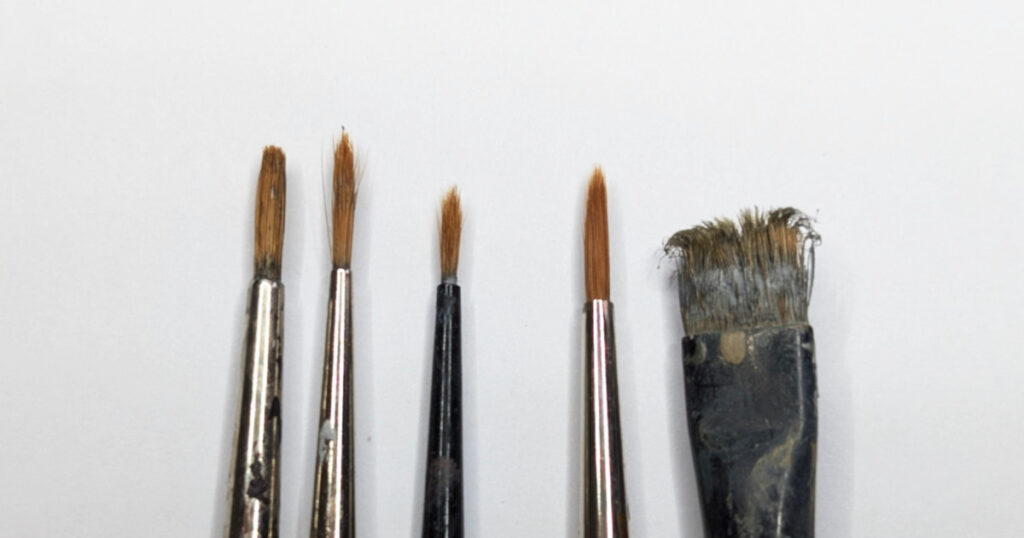
How to Clean and Care for Miniature Painting Brushes
A few minutes of routine brush care can dramatically extend the life of your favorite brushes and keep them performing their best.
Choose Tools That Support the Way You Paint
The hobby market is full of gadgets promising better results.
Some genuinely improve the painting experience. Others simply occupy space on the desk.
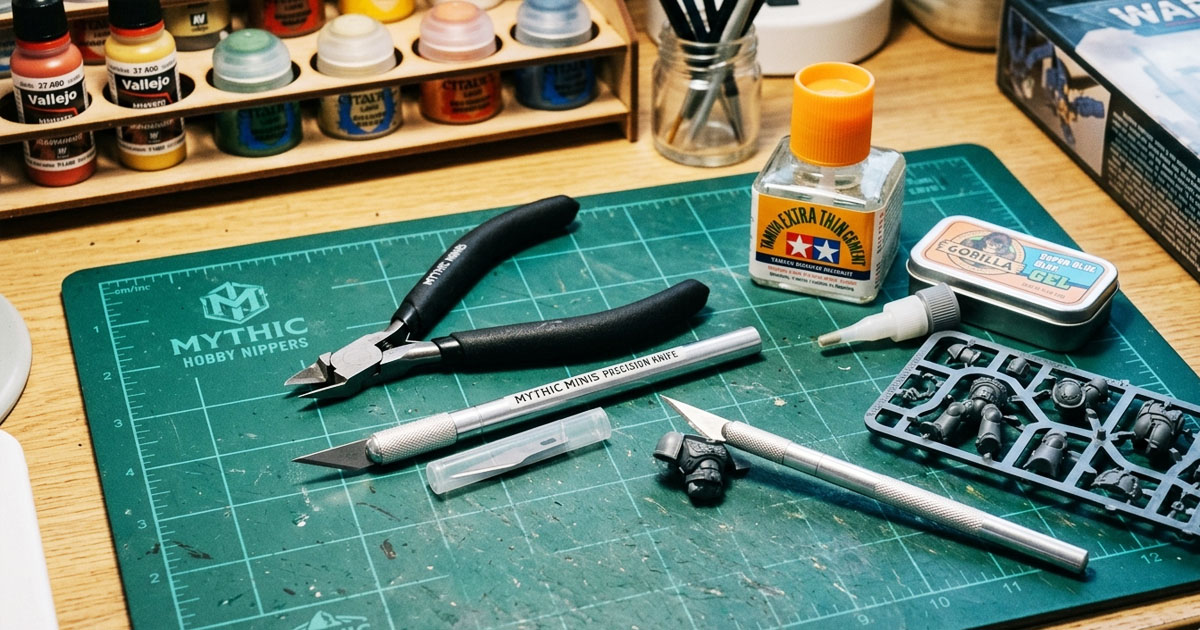
Over time I’ve found it worthwhile to invest in tools that solve recurring problems rather than chasing every new accessory. Better brushes provide more control. A dependable wet palette keeps paint workable longer. Quality paints make techniques more predictable. Color selection tools help remove uncertainty when planning a new miniature.
Every painter eventually develops favorite tools. The important thing is understanding why those tools earned a permanent place on the hobby desk.
Continue Reading:
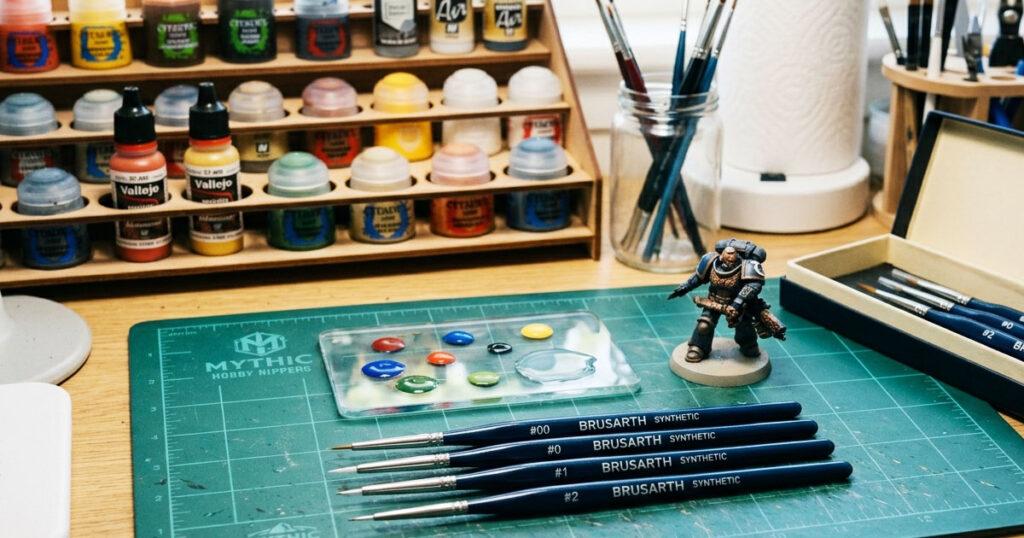
The Best Budget Brushes for Miniature Painting Beginners
You don’t need expensive brushes to paint beautiful miniatures. These affordable recommendations deliver excellent performance without stretching your budget.

Best Miniature Paint Sets for Beginners
Starting with the right paint set makes learning easier and helps you build a versatile collection without buying colors you don’t need.
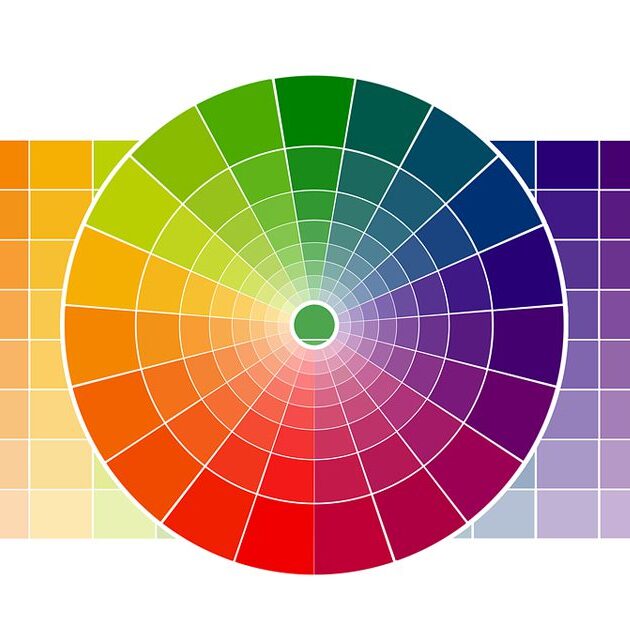
5 Best Tools for Choosing Colors and Painting Miniatures
Choosing colors doesn’t have to feel overwhelming. These simple tools make planning cohesive color schemes much easier.
Create a Space That Inspires You
A painting space should do more than store equipment.
It should encourage you to create.
Some painters surround themselves with completed miniatures. Others display artwork, color references, or favorite models waiting to be painted. Music, natural light, plants, shelves filled with finished armies, or simply a clean desk can all make the hobby room feel inviting.
When your workspace reflects your personality, sitting down to paint becomes something you look forward to rather than another task competing for your attention.
No two hobby rooms will ever look exactly alike, and they shouldn’t. The best workspaces evolve naturally alongside the people who use them.
Building the Perfect Painting Space Takes Time
Very few painters create their ideal workspace in a single weekend.
Mine certainly didn’t.
It grew one improvement at a time. A better lamp replaced an old desk light. Paints gradually became organized instead of piled into a box. New brushes earned permanent places beside the palette. Each small change made the next painting session just a little easier than the last.
Looking back, I realize those improvements weren’t really about furniture or equipment. They were investments in the hobby itself. Every thoughtful addition removed another obstacle between inspiration and the miniature waiting on the desk.
If your own workspace is still a work in progress, don’t worry about making it perfect.
Improve one thing.
Then another.
Over time you’ll discover that the perfect miniature painting space isn’t defined by how much equipment it contains. It’s defined by how naturally it supports the way you love to paint.
Continue Your Painting Journey
Once your workspace begins working with you instead of against you, the next step is putting it to good use.
Explore a painting guide, learn a new technique, or tackle a miniature you’ve been saving for the right moment. A well-designed hobby space doesn’t exist for its own sake—it exists to help you create something you’re proud of.
Next Steps
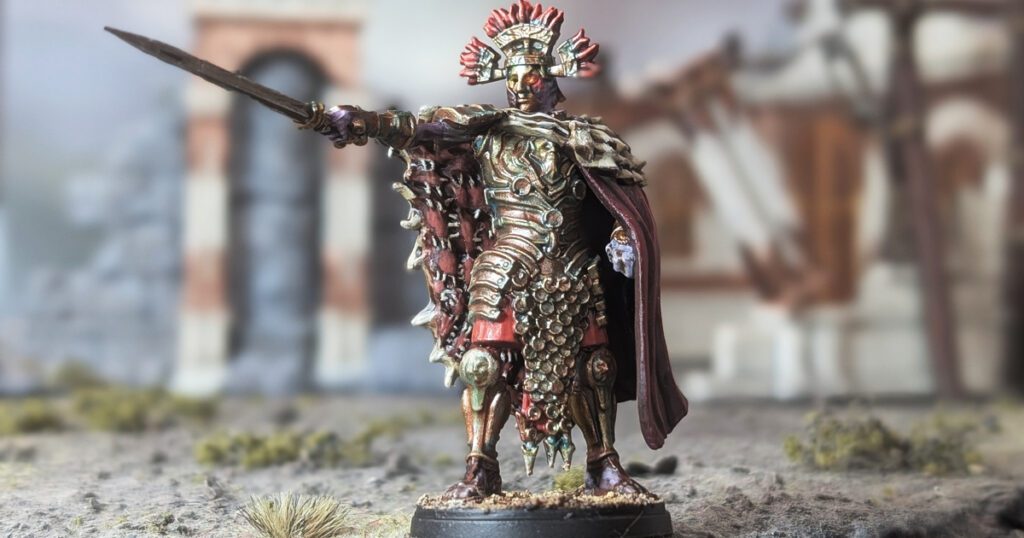
Browse the Painting Guides
Put your workspace to good use with step-by-step miniature painting guides featuring detailed tutorials, color recipes, and techniques for Warhammer, Star Wars Legion, D&D, and more.
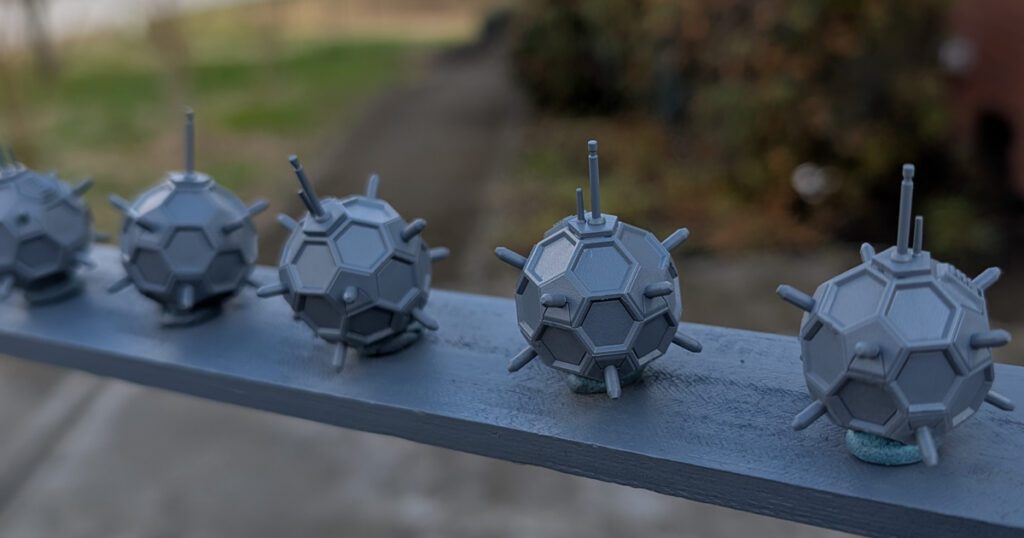
Learn Essential Painting Techniques
Master the core skills every miniature painter relies on, from priming and layering to edge highlighting, washes, drybrushing, and more.
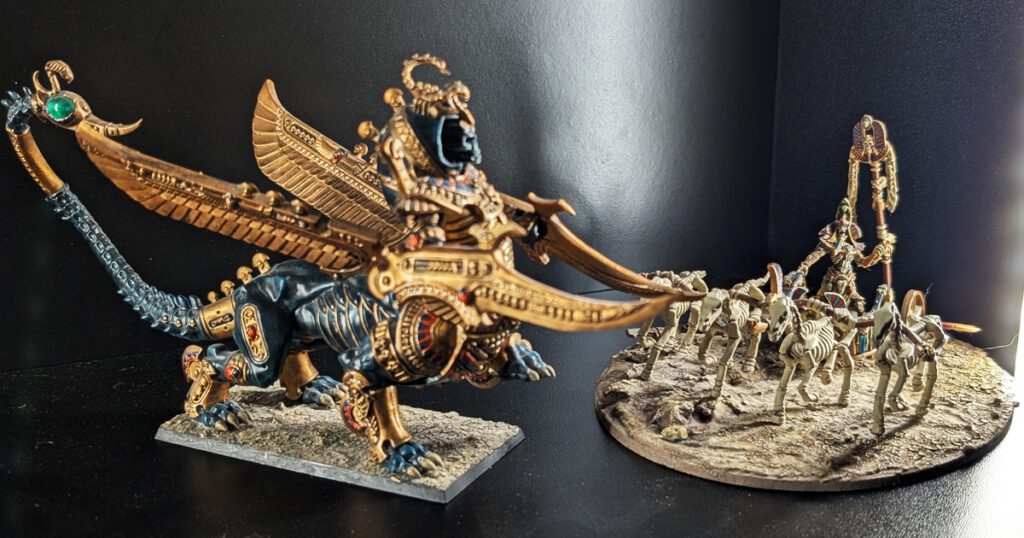
Read Your Workspace is Either Supporting or Sabotaging You
Your painting environment quietly influences motivation, focus, and consistency. Learn why your workspace may be helping—or holding back—your progress.
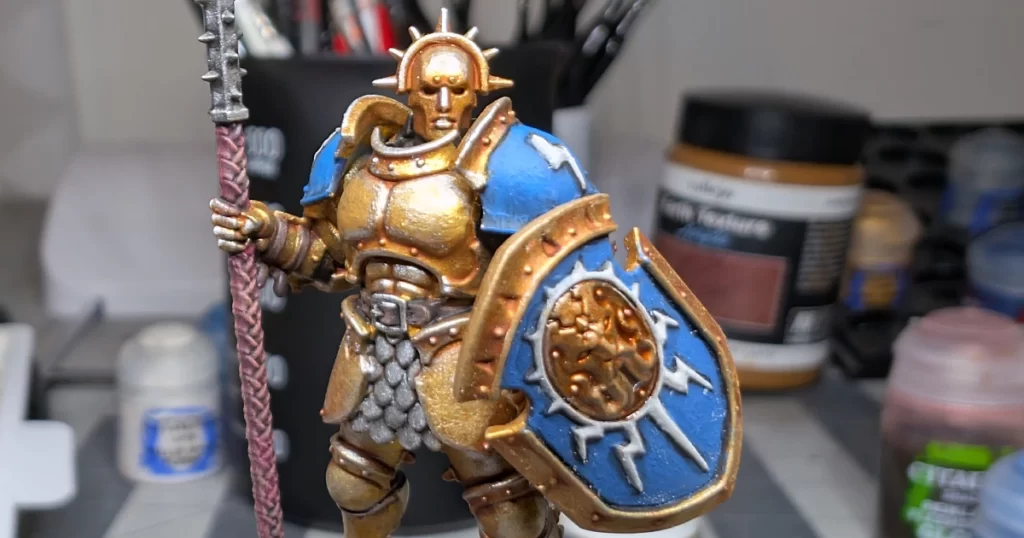
Start Your First Miniature Painting Project
Ready to put your improved workspace to the test? Pick a new miniature, gather your paints, and begin your next painting project with confidence.