
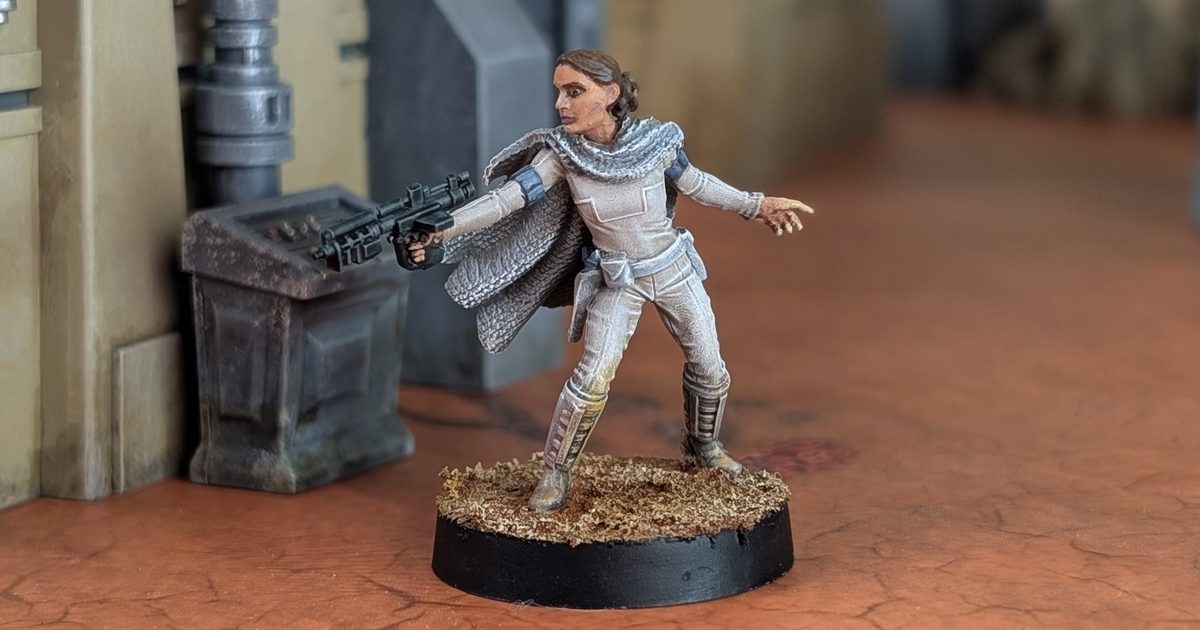
Most creative projects don’t fail at the beginning; they fail when the project is almost finished. If you’ve painted miniatures for any length of time, you’ve probably experienced this moment. A model sits on your desk that looks nearly complete. The base colors are done, the shading is applied, and from a distance it already looks pretty good.And yet, days pass, sometimes weeks, and nothing more is done with it. The model gets pushed aside.
The remaining work is small: a few highlights, some detail work, maybe finishing the base. None of it is especially difficult, yet the final steps somehow never happen. This is the 70% stall – that moment where many creative projects stop moving forward, and understanding why this happens is the first step to overcoming it.
The Excitement Phase
When a project begins, motivation is high.
When you bought the kit you see the cool box art and imagine your finished model will be as cool, or better. You picture how it will look on your display shelf with the rest of your collection, or perhaps you envision menacing your opponents across the gaming table with this model, and it’s awesome paint job, at the forefront.
The early stages move quickly. Assembly is fun as you choose weapons and options for the model. Priming, base coats, and initial shading produce visible progress in a short amount of time. Every brushstroke makes the miniature look better.
This phase is fueled by anticipation. Your brain enjoys the feeling of beginning something new, and the work itself feels energetic and fast. But that phase is now finished, and your motivation fades with it.
The Invisible Wall
Somewhere around sixty to eighty percent completion, the experience of the project changes.
The large, obvious progress is finished. What remains are smaller, slower tasks: refining highlights, sharpening details, correcting small imperfections, deciding how bright the final colors should be, or completing the base.
These tasks require patience and attention. Progress becomes harder to see from moment to moment. This is when many painters quietly say to themselves, “I’ll finish it later.” Later, of course, is when the project often stops moving.
A Personal Example: Padmé
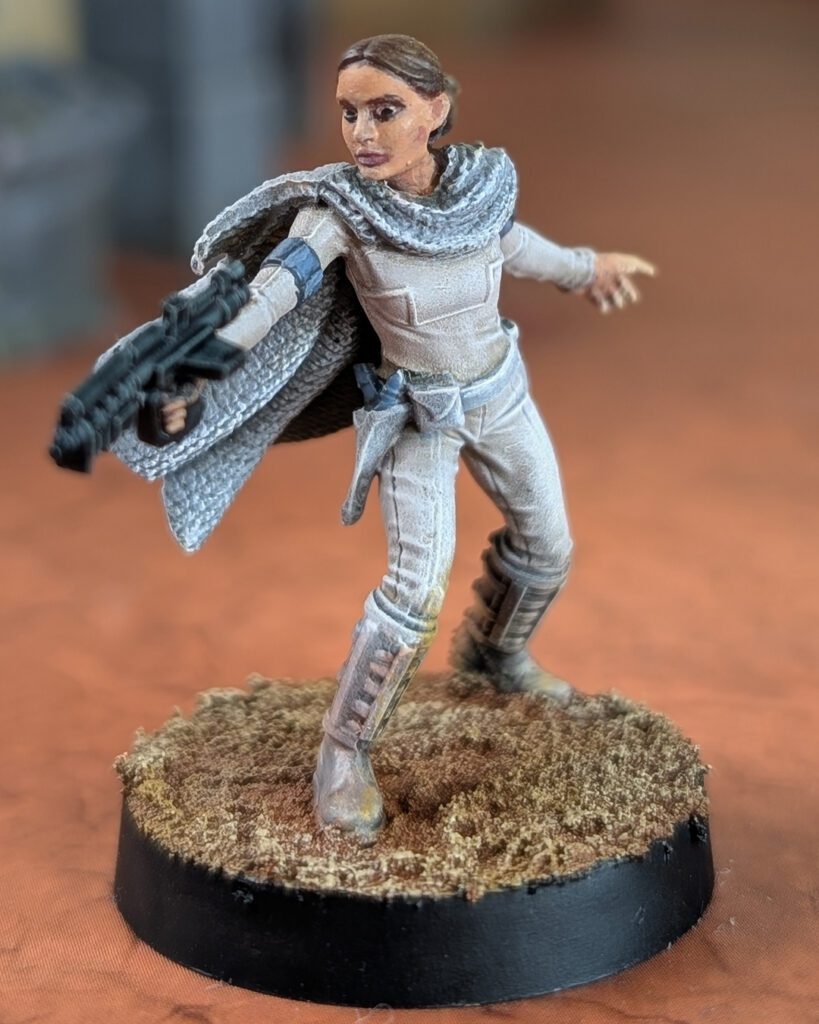
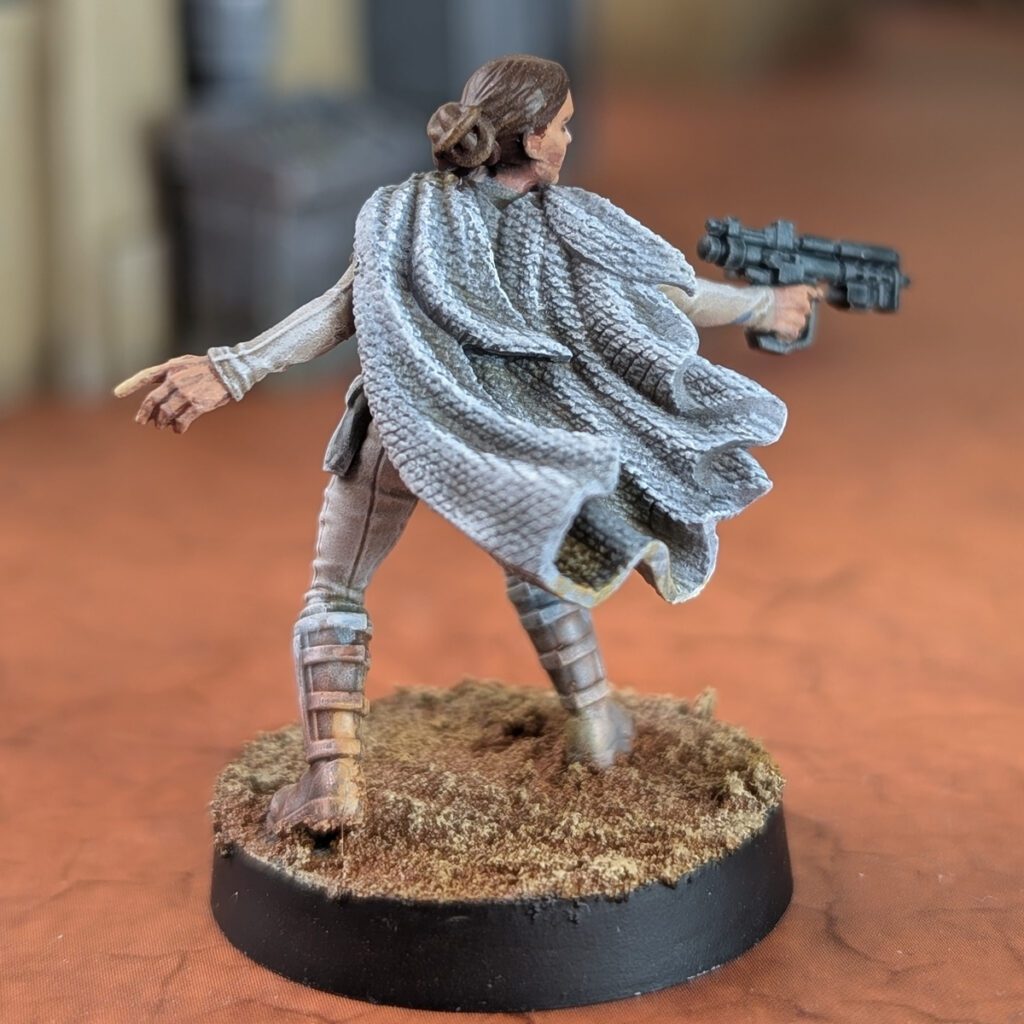
I recently experienced this working on Padmé Amidala for Star Wars Legion.
The model was already most of the way finished. The base colors were in place and the outfit had been shaded. From a distance she looked nearly complete, but the final steps sat untouched on my desk for several days.
The work that remained wasn’t technically difficult. It mostly involved bringing the highlights up a bit brighter and finishing the base. What slowed me down was something else: making final decisions about color and contrast.
There’s a quiet moment near the end of every project where a painter wonders whether they might accidentally make things worse.
What if the highlight is too bright?
What if the color balance shifts?
What if one brushstroke ruins what already looks good?
But when I finally sat down and began painting again, something interesting happened. The hesitation disappeared almost immediately. I made a few adjustments to the highlights, improvised slightly outside my original plan, and finished the base. The process became exciting again once the brush was moving.
Is my final result of Padme perfect?
Am I happy with the final paint job? Absolutely, yes!
The result wasn’t perfect. Padmé could always be improved. But she’s finished, and she looks great in person and in photographs. She is a commission paint job that I am excited about presenting to my client. In fact, she has become one of my favorite completed models because I feel I have successfully improved on painting faces and eyes.
Why the 70% Stall Happens
The stall point appears because several psychological forces collide near the end of a project.
The novelty has worn off
Starting something new is exciting. Finishing something requires patience. Many hobbyists unknowingly chase the feeling of starting projects rather than completing them
The remaining work requires judgment
Early painting steps are mechanical. You apply base colors, washes, and broad highlights. At this stage there is very little pressure, because the model does not yet have to be perfect. Late-stage painting requires decisions. You decide how bright the highlights should be, how strong the contrast should become, and where the eye should focus.
Those decisions can be intimidating and create hesitation. What if you get it wrong?
The reward isn’t visible yet
At seventy percent completion, a miniature still looks unfinished. Ironically, the final twenty or thirty percent of work is often what transforms a model from “in progress” into something truly satisfying to look at. But the brain doesn’t feel that reward until the last steps are complete.
The Consumer Escape
This is also the moment where the consumer mindset quietly returns. Instead of finishing the model on the desk, it becomes very tempting to do something else that feels related to the hobby but requires less commitment. You might watch painting videos, browse miniatures online, reorganize paints, or even start another model.
Case in Point – Gorath the Enforcer
Around September of last year (2025) I had been working on the Crimson Court vampires for some Halloween-themed social media posts.
I painted Vellas von Faine a couple of years ago, and she turned out well enough to display at the local game store. A friend saw her there and was impressed enough to contact me about a Lion El’Jonson commission. Encouraged by that experience, I continued the Crimson Court and painted Prince Duvalle. He was another model I learned from, and overall I was happy with how he turned out.
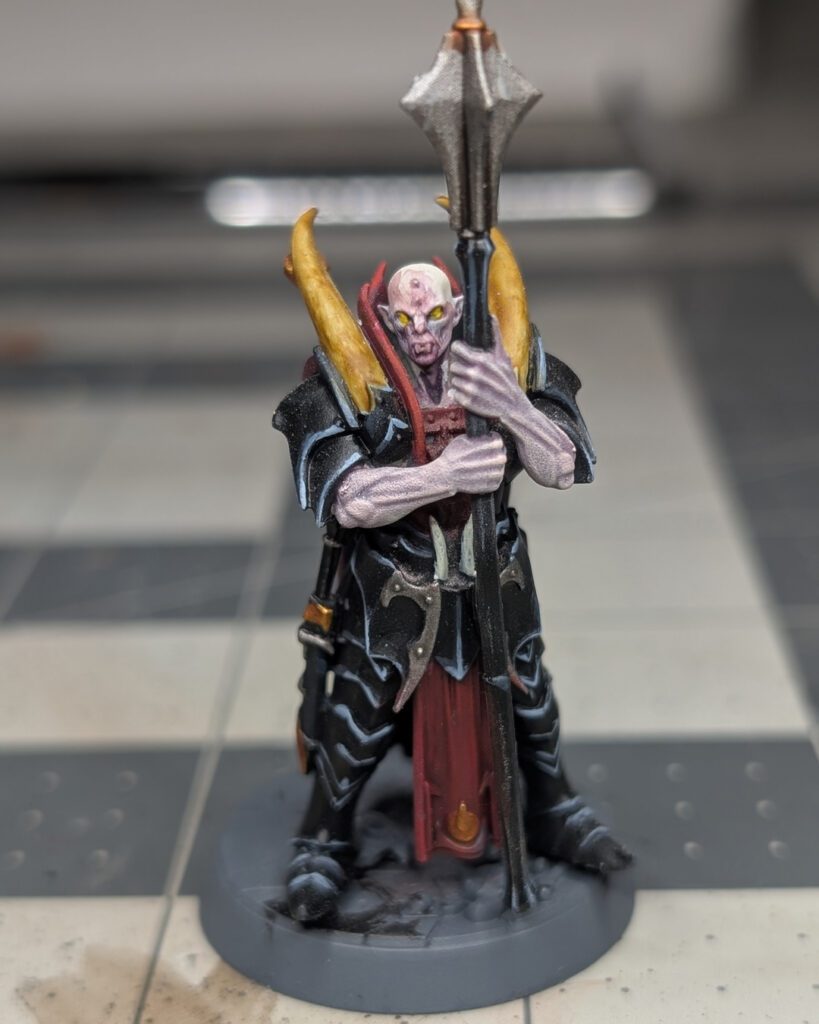
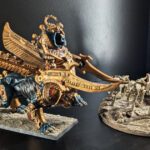
Confident from those two successes, I moved on to Gorath the Enforcer. At first everything was going well. The base colors were down, the shades looked good, and the armor design was familiar territory since it resembles Dark Eldar (or Drukhari, if you want to be precise).
But when I reached the later stages of the model, things started to go wrong. Some of the highlight paint felt too thick and chalky. The blending wasn’t working the way I wanted on the armor plates. I tried taking a shortcut using contrast paint on the horns holding his cape, and it didn’t look right. A few details were rushed or incomplete.
These weren’t catastrophic mistakes. They were exactly the sort of problems that could have been corrected with a little patience and adjustment. But instead of fixing them, I pushed the model aside.
Gorath has now been sitting on my desk unfinished since before Halloween last year.
Looking back, this was another form of the 70% stall. The project reached the point where decisions and corrections were required, and instead of working through those problems I hesitated and walked away from the model.
He’s still there on my desk as I write this (March 2026). And at some point soon, I’ll pick him back up, correct those mistakes, and finally finish the project.
The Creator Mindset
Creators recognize that the final portion of a project is where the real growth happens. The last twenty or thirty percent of work develops patience. It builds attention to detail. It strengthens the habit of completion.
Starting projects builds enthusiasm.
Finishing them builds skill.
A finished piece, even an imperfect one, teaches more than a dozen projects that you never finish.
Moving Past the Stall
One simple strategy helps break the stall point. Instead of thinking about finishing the entire model, focus on completing one small part of it. Finish the belt – a few brush strokes will get those highlights on. Finish the highlights on the cloak – push the contrast with brighter highlights or texturize the fabric with stippling techniques. Finish the base – even basic texture paint and tufts is better than black plastic.
ach small completion restores a sense of progress, and progress naturally leads to momentum. Before long, the project crosses the finish line.
The Real Difference
Most unfinished projects are not abandoned because of a lack of talent or knowledge. They are simply abandoned at the moment where excitement gives way to discipline. Learning to finish the final twenty or thirty percent of a project is one of the most important skills a creator can develop.
The difference between collectors and creators often comes down to this simple habit:
Creators finish what they start.
The Padmé and Gorath examples show how powerful this stage of a project can be. Finishing or stalling on a model can directly affect your motivation.
In Gorath’s case, I made several mistakes near the end of the project. Instead of correcting them and pushing through to completion, I hesitated and set the model aside. Months later, he’s still sitting on my desk unfinished.
Padmé was different. I felt that same moment of hesitation around the seventy percent mark, but instead of walking away I continued working through the final highlights and details. The result wasn’t perfect, but I’m extremely happy with how she turned out.
More importantly, finishing the model created momentum and excitement for the next project.

No responses yet